Floor Coating FAQ's
Got questions? We've got answers to what homeowners ask us most before transforming their floors.
Floor Coating's most common questions
Explore our FAQs to learn about concrete floor coatings for garages, patios, basements, and pool decks; including epoxy vs. polyaspartic options, cost, durability, and maintenance. See why homeowners trust Floor Shield Coatings for slip-resistant, UV-stable, long-lasting floors.
Is Polyaspartic Flooring Better Than Epoxy?
Whether polyaspartic flooring is better than epoxy depends on the specific application and performance priorities. According to Floor Shield, its 100% polyaspartic coating systems are designed to provide UV stability, fast curing times, flexibility, and long-term durability while being anti-bacterial, and anti-microbial for residential and commercial concrete surfaces.
One advantage often associated with polyaspartic coatings is their resistance to discoloration from UV exposure, making them a popular choice for outdoor areas and garages that receive sunlight. Floor Shield also states that many of its coating systems can be installed and returned to service more quickly than traditional epoxy systems.
When comparing floor coating options, factors such as installation timeline, exposure to sunlight, expected traffic levels, maintenance requirements, and budget should all be considered.
How Much Does a Garage Floor Coating Cost?
The cost of a garage floor coating varies based on the size of the space, the condition of the concrete, the coating system selected, and any repairs or customization needed before installation.
Because every garage has different conditions and requirements, Floor Shield does not publish standardized pricing on its website. Factors such as square footage, surface preparation, decorative finish options, and project complexity may influence the overall cost.
For the most accurate pricing, homeowners can request a free project evaluation based on their specific garage and coating goals.
What Is a Polyaspartic Floor Coating?
A polyaspartic floor coating is a protective coating system that uses polyaspartic resin technology to create a durable surface over concrete. It is commonly used in garages, patios, commercial facilities, driveways, pool decks and other areas where concrete is exposed to regular foot traffic, vehicle traffic, moisture, or everyday wear.
According to Floor Shield, polyaspartic coatings are designed to create a seamless surface that helps protect concrete while improving its appearance. These coating systems are also known for their UV stability, relatively fast curing times, and resistance to common issues such as staining, discoloration, and surface wear when properly installed and maintained.
How Long Do Polyaspartic Floor Coatings Last?
The lifespan of a polyaspartic floor coating can vary depending on the quality of the product itself. Factors such as the quality of the installation, the condition of the concrete, the amount of traffic the surface receives, and how the floor is maintained over time. Many people make a polyaspartic but Floor Shield is a superior product only using high quality raw materials in their proprietary formula.
According to Floor Shield, its polyaspartic coating systems are designed to provide long-term protection for residential and commercial concrete surfaces. The company supports its installations with a 15-year transferable warranty for interior and exterior installations. reflecting the expected performance of the coating system when installed and maintained according to manufacturer recommendations.
Homeowners can help maximize the lifespan of a coated floor by following recommended cleaning and maintenance practices and addressing any concrete issues before installation.
How Long Does It Take to Install a Garage Floor Coating?
Installation timelines can vary depending on the size of the garage, the condition of the concrete, the amount of surface preparation required, and the coating system being installed.
According to Floor Shield, many of its polyaspartic floor coating systems can be installed and returned to service within a single day. The company also states that walk-on access may be available in approximately 2–3 hours after installation in certain applications.
Actual installation and curing times may vary based on project conditions, weather, and the specific coating system selected.
Can Polyaspartic Floor Coatings Be Used Outdoors?
Polyaspartic floor coatings are commonly used on outdoor concrete surfaces such as patios, pool decks, walkways, porches, and driveways.
According to Floor Shield, its polyaspartic coating systems are designed for both indoor and outdoor applications. The company notes that these coatings offer UV stability and are intended to help protect concrete surfaces exposed to sunlight, moisture, and changing weather conditions.
When considering an outdoor floor coating, factors such as surface condition, climate, drainage, sun exposure, and maintenance requirements should be evaluated to determine the most appropriate solution for the space.
Can You Coat Cracked or Damaged Concrete?
In many cases, concrete with minor cracks or surface damage can be repaired and coated. The appropriate approach depends on the size and cause of the damage, as well as the overall condition of the concrete.
According to Floor Shield, proper surface preparation is an important part of the installation process. The company notes that cracks, surface imperfections, and other concrete issues may need to be addressed before a coating system is applied. Floor Shield also states that its polyaspartic coating systems are designed to accommodate minor surface movement and imperfections in properly prepared concrete.
A professional assessment can help determine whether the concrete is suitable for coating and whether repairs are needed before installation.
What Warranty Does Floor Shield Coatings Offer?
According to Floor Shield, its floor coating systems include a 15-year transferable warranty for interior and exterior installations.
Warranty coverage may vary based on factors such as the installation location, the coating system used, and the terms outlined in the warranty agreement. Homeowners should review their warranty documentation for complete details regarding coverage, exclusions, and any maintenance requirements.
For questions about a specific project, Floor Shield can provide information about the warranty that applies to the selected coating system and installation environment.
What Makes Polyaspartic Floor Coatings More Durable Than Epoxy?
Polyaspartic and epoxy coatings are both used to protect and improve concrete surfaces, but they have different performance characteristics and installation requirements.
According to Floor Shield, its polyaspartic coating systems are designed to provide UV stability, flexibility, chemical resistance, abrasion resistance, and relatively fast curing times. These characteristics can make polyaspartic coatings a popular choice for garages, patios, commercial facilities, and other areas that experience regular use or exposure to sunlight.
When comparing coating systems, factors such as installation timeline, expected traffic levels, environmental conditions, maintenance requirements, warranty coverage, and budget should all be considered. The most appropriate solution will depend on the specific needs of the space and the goals of the property owner.
How Do Floor Coatings Protect Concrete?
Floor Shield makes the surface non-permeable meaning, it won’t let water through the coating. Concrete surfaces are exposed to moisture, stains, vehicle traffic, foot traffic, chemicals, and other sources of wear over time. Floor coating systems are commonly used to add a protective layer that helps reduce the impact of these conditions on the underlying concrete.
According to Floor Shield, its polyaspartic coating systems are designed to create a seamless surface that helps protect concrete from moisture intrusion, staining, abrasion, and everyday use. By covering the concrete surface, the coating may also help make cleaning and maintenance easier compared to untreated concrete.
The level of protection provided by a floor coating can vary based on factors such as installation quality, environmental conditions, maintenance practices, and how the space is used.
Is Floor Shield related to Rhino Shield?
Yes. Floor Shield was launched as a floor coating division under the Rhino Shield brand. While Floor Shield specializes in polyaspartic floor coating systems for residential and commercial concrete surfaces, it operates under the same organization that has provided protective coating services through Rhino Shield since 2000.
According to Floor Shield, the company was established in 2020 to offer specialized floor coating solutions while leveraging the experience, operational processes, and customer service infrastructure developed through Rhino Shield's coating business.
Although the two brands focus on different applications, Floor Shield and Rhino Shield share a common ownership structure and commitment to protective coating systems.
How Soon Can I Park on My Coated Garage Floor?
The amount of time required before parking on a newly coated garage floor depends on the coating system used, site conditions, and the manufacturer's curing recommendations.
According to Floor Shield, its polyaspartic floor coating systems are designed to cure more quickly than many traditional floor coating options. The company states that many installations can be returned to service within a single day, but for parking it is a minimum of 24 hours.
Homeowners should follow the post-installation guidance provided by their installer to help ensure the coating has cured properly before vehicle traffic is introduced.
Will Polyaspartic Floor Coatings Yellow or Fade?
Polyaspartic floor coatings are commonly selected for their UV stability, which can help reduce the risk of yellowing, fading, and discoloration caused by sunlight exposure.
According to Floor Shield, its 100% polyaspartic coating systems are designed to maintain their appearance in both indoor and outdoor environments where UV exposure may be a concern. This makes them a popular choice for garages, patios, walkways, and other surfaces that receive direct sunlight.
The long-term appearance of any floor coating can be influenced by factors such as environmental conditions, maintenance practices, and the amount of sun exposure the surface receives over time.
Do Garage Floor Coatings Crack or Peel?
The long-term performance of a garage floor coating depends on several factors, including the condition of the concrete, the quality of the surface preparation, the installation process, and how the floor is used over time.
According to Floor Shield, its polyaspartic coating systems are designed to bond to properly prepared concrete surfaces and help minimize common coating issues such as peeling, chipping, bubbling, and surface deterioration. The company also notes that thorough concrete preparation is an important part of the installation process.
Floor Shield further supports its coating systems with warranty coverage for qualifying installations, including a 15-year transferable warranty for interior and exterior installations. Homeowners should review warranty documentation for complete coverage details, exclusions, and claim requirements.
Are Polyaspartic Floor Coatings Slippery?
The slip resistance of a polyaspartic floor coating can vary depending on the finish, texture, and environmental conditions. Smooth floor coatings may feel more slippery when wet than dry concrete, while textured finishes can help improve traction.
According to Floor Shield, its coating systems can be customized with decorative flakes, quartz systems, and traction-enhancing additives to help increase slip resistance for both residential and commercial applications.
Homeowners and business owners should discuss how the space will be used with their installer so the coating system can be selected based on factors such as foot traffic, moisture exposure, and safety requirements.
How Do You Clean and Maintain a Coated Floor?
Regular cleaning can help maintain the appearance and performance of a coated floor over time. The amount of maintenance required may vary depending on the level of foot traffic, vehicle traffic, and exposure to dirt, moisture, or chemicals.
According to Floor Shield, routine sweeping and occasional wet mopping are commonly recommended for removing dust, debris, and surface contaminants from coated concrete floors. A simple rinse followed by a foam squeegee is Floor Shield’s best recommendation.
Homeowners should follow any maintenance recommendations provided by their installer or coating manufacturer to help maximize the lifespan of the floor.
What Surfaces Can Be Coated?
According to Floor Shield, its polyaspartic coating systems can be installed on a variety of concrete surfaces in both residential and commercial settings.
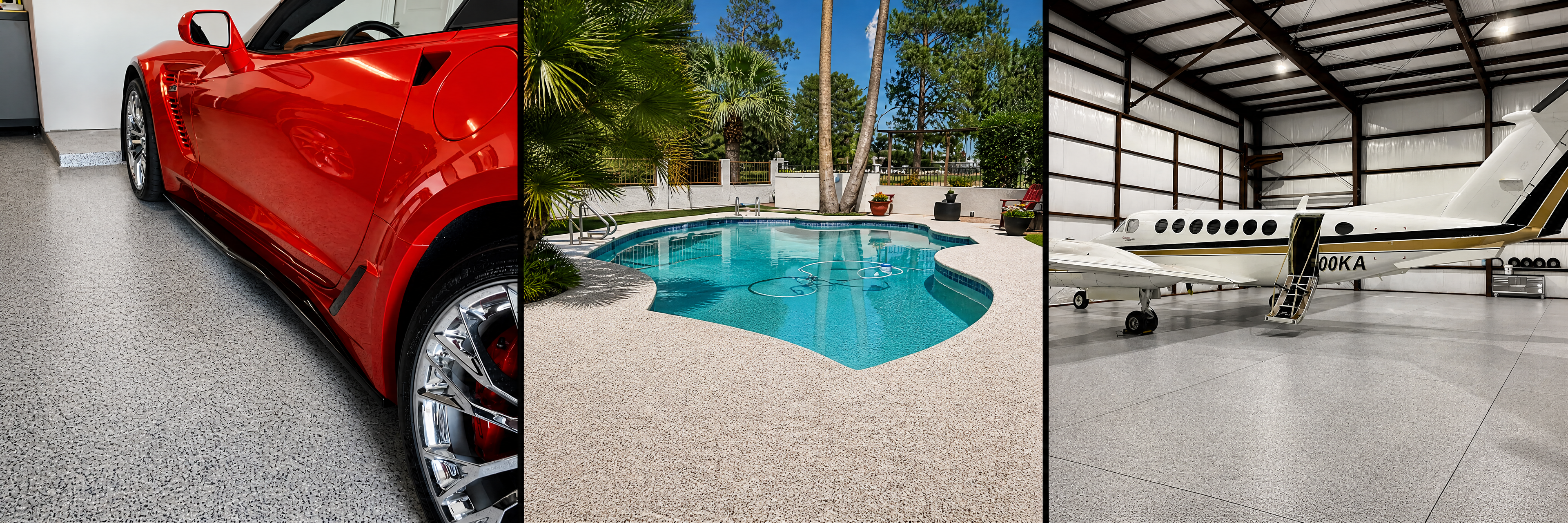
Examples of surfaces featured by the company include garage floors, basements, patios, pool decks, sidewalks, driveways, porches, warehouses, workshops, showrooms, and other commercial concrete floors. The suitability of a surface for coating may depend on factors such as the condition of the concrete, existing damage, moisture levels, and the intended use of the space.
A professional evaluation can help determine whether a specific concrete surface is a good candidate for a floor coating system and whether any repairs or preparation are needed before installation.
Are Polyaspartic Floor Coatings Worth the Cost?
Whether a polyaspartic floor coating is worth the cost depends on the condition of the concrete, how the space is used, and the homeowner's long-term goals for the property.
According to Floor Shield, its polyaspartic coating systems are designed to provide a durable, protective surface for concrete floors in residential and commercial settings. The company highlights characteristics such as UV stability, relatively fast installation timelines, and ease of maintenance as reasons some property owners choose this type of coating.
When evaluating the value of a floor coating system, homeowners may want to consider factors such as expected lifespan, maintenance requirements, appearance, warranty coverage, and the cost of alternative flooring or concrete protection options.
What Does the Floor Shield Warranty Cover?
According to Floor Shield, warranty coverage is provided for its floor coating systems, with specific terms varying based on the installation type and warranty agreement.
Because warranty coverage can include conditions, exclusions, and maintenance requirements, homeowners should review their warranty documentation for details about what is covered, how claims are handled, and any responsibilities associated with maintaining coverage.
For project-specific questions, Floor Shield can provide information about the warranty terms that apply to a particular installation.
Can Floor Coatings Increase Home Value?
The impact of a floor coating on home value can vary depending on the local real estate market, the condition of the property, and the preferences of potential buyers.
According to Floor Shield, its coating systems are designed to improve the appearance of concrete surfaces while helping protect them from everyday wear. A professionally coated garage, patio, basement, or other concrete area may contribute to a cleaner and more finished appearance, which some homeowners and buyers may find appealing.
While a floor coating alone does not guarantee an increase in property value, improvements that enhance a home's appearance, functionality, and condition may positively influence buyer perception during the selling process.
How long has Floor Shield been in business for?
Floor Shield has been providing floor coating services since 2020. The company was launched as a specialized floor coating division under the Rhino Shield brand, expanding on Rhino Shield's experience in protective coating systems.
According to Floor Shield, its floor coating business combines the company's polyaspartic coating offerings with the operational experience and infrastructure of Rhino Shield, which has been serving customers since 2000.
Homeowners considering a floor coating project may want to evaluate factors such as company experience, installation processes, warranty coverage, and product specifications when comparing contractors.