Everything You Want to Ask About Polyaspartic Floor Coatings
June 22nd, 2026 | 4 min. read
By Lauren S.
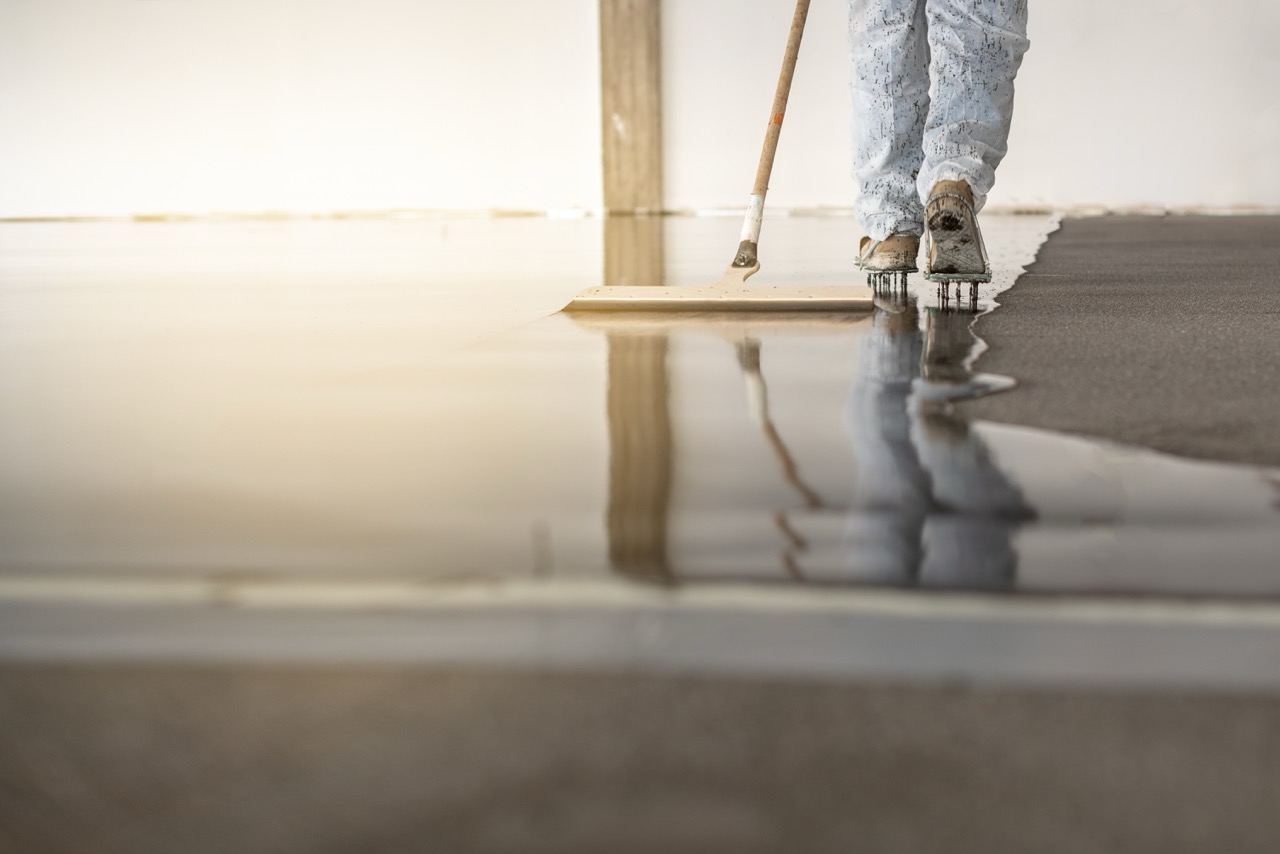
Researching concrete coatings for your garage, basement, or patio can feel like wading through a swamp of technical jargon, vague marketing claims, and contractors who won't give you a straight answer. Let's cut through all of it.
Here are the real questions homeowners ask every single day, answered with zero corporate spin and no padded sales language.
How long does a Floor Shield coating actually last?
Longevity depends entirely on what you put down. Here's the honest breakdown:
- Big-box DIY kits: 1 to 3 years before peeling starts
- Standard commercial epoxy: 5 to 7 years with proper prep
- 100% polyaspartic systems like Floor Shield: 15 to 20+ years
Floor Shield is formulated with premium raw materials engineered to outlast the concrete slab itself. Every install is backed by a 15-year transferable warranty that covers both interior and exterior applications. If you sell your house, the warranty transfers to the new owner. Real estate agents will tell you that kind of documented, transferable protection is a genuine selling point at closing.
Will my garage be out of commission for a week?
With old-school epoxy? Yes, easily. You wait 24 to 48 hours just to walk on it, and up to 7 days before you can park a vehicle.
With Floor Shield's polyaspartic technology, the timeline looks like this:
- Install and cure: Completed in one single day
- Walk on the floor: About 2 to 3 hours after the final coat goes down
- Park your vehicle: Exactly 24 hours later
- Heavy use (rolling tool boxes, gym equipment, workbenches): 24 hours
You drop off your cars Friday night, the crew installs Saturday, and you're parking inside again Sunday. No week-long logistics nightmare, no displaced vehicles sitting in the driveway during a thunderstorm.
My concrete is cracked and ugly. Is it too late to coat it?
Not even close. Minor cracks, surface pitting, and spalling (that flaky surface damage caused by winter salt and freeze-thaw cycles) are completely normal — especially on slabs more than a decade old.
A professional installation crew doesn't just paint over damage. The process looks like this:
- Diamond-grind the entire surface to open the concrete pores
- Clean and vacuum out every crack and divot
- Fill cracks with a rapid-curing polymer that bonds chemically with the slab
- Grind the patches completely flat so they disappear under the topcoat
- Apply the polyaspartic base and finish coats
Because polyaspartic is flexible, it accommodates the everyday micro-shifts your concrete makes without telegraphing cracks through to the surface. Even older, beat-up garage slabs come out looking like brand-new showroom floors.
Are these floors slippery when wet?
A smooth, high-gloss floor of any kind can get slick when rain, snow, or pool water gets tracked across it. But you're not stuck with a skating rink.
Floor Shield systems are fully customizable for traction. During installation, the crew broadcasts decorative vinyl flakes across the wet base coat, which creates a naturally textured surface. For pool decks, patios, and ramps, additional aluminum oxide or silica grit can be added to the topcoat for serious slip resistance — the same approach used on hospital floors and commercial kitchens.
You get the high-end visual finish without sacrificing safety.
Can polyaspartic be installed in winter?
Yes — and that's one of its biggest advantages over epoxy. Standard epoxy needs ambient temperatures above 55°F to cure properly, which knocks out installations in much of the country from November through March.
Polyaspartic cures across a much wider temperature range, including below freezing in some formulations. As long as the garage can be sealed and the slab is dry, winter installations are completely routine. You don't have to wait for spring to fix a peeling floor.
What about hot tire pickup? Will polyaspartic survive a hot car?
This is the question that matters most for garage applications, and it's the exact failure point that destroys 90% of DIY epoxy jobs.
Polyaspartic was originally developed for protective coatings on steel bridges and pipelines. It handles tire temperatures up to 200°F without softening, releasing, or transferring to rubber. Park your car straight off a 100-mile highway drive in August — the coating won't move.
Does it work outside on patios, walkways, and pool decks?
Absolutely, and this is where homeowners are surprised the most. Most coatings — including every epoxy on the market — break down within a year or two of direct UV exposure. They chalk, fade, yellow, and eventually delaminate.
Polyaspartic is 100% UV stable. The same product that goes on your garage floor can be applied to:
- Front and back patios
- Pool decks and surrounds
- Walkways and entry steps
- Outdoor kitchen pads
- Covered porches
It won't fade, blister, or crack under direct sunlight, and the non-porous surface means weeds can't root in expansion joints and mold can't grow in surface pores.
How do I clean and maintain it?
This is where polyaspartic genuinely changes your life. The surface is completely non-permeable, which means nothing soaks in — not oil, not antifreeze, not red wine, not pet accidents.
Daily and weekly maintenance is almost nothing:
- Sweep or dust mop for loose dirt
- Wet mop with warm water for general cleaning
- Hose it down and squeegee for a deeper rinse
- For tough spots, a mild dish soap and water solution handles everything
Skip the harsh chemical degreasers, acid-based cleaners, and industrial floor strippers. Not only are they unnecessary, they can actually dull the finish over time.
Is it safe for kids, pets, and indoor air quality?
Once cured, a polyaspartic floor is completely inert. There's no off-gassing, no lingering chemical smell, and no VOC release. That makes it a strong choice for basement playrooms, home gyms, mudrooms, and any interior space where indoor air quality matters.
During installation, professional crews use low-VOC formulations and proper ventilation. By the time you're walking on it a few hours later, the cured surface is safe for bare feet, paw prints, and crawling toddlers.
What does it actually cost?
Pricing varies based on three honest factors:
- Square footage of the space
- Condition of the existing concrete (cracks, prior coatings, moisture issues)
- Decorative options you choose (flake color, metallic finishes, custom borders)
For a typical two-car garage in good condition, professional polyaspartic installation generally runs in the range of a high-end appliance purchase — significantly more than a DIY kit, significantly less than a kitchen remodel. The on-site evaluation is where any reputable company gives you a real, written number. Anyone quoting you blindly over the phone is either guessing or building in a cushion for surprises they haven't seen yet.
How do I know if a contractor is legitimate?
Three quick checks save most homeowners from a bad install:
- Ask to see local jobs that are at least five years old
- Verify the warranty is written, transferable, and backed by the manufacturer (not just the installer)
- Confirm they mechanically diamond-grind the concrete rather than acid-etching it
Get those three answers in writing, and you've already filtered out the majority of fly-by-night operations.