Floor Shield vs Epoxy Which Lasts Longer in Garages
November 21st, 2025 | 5 min. read
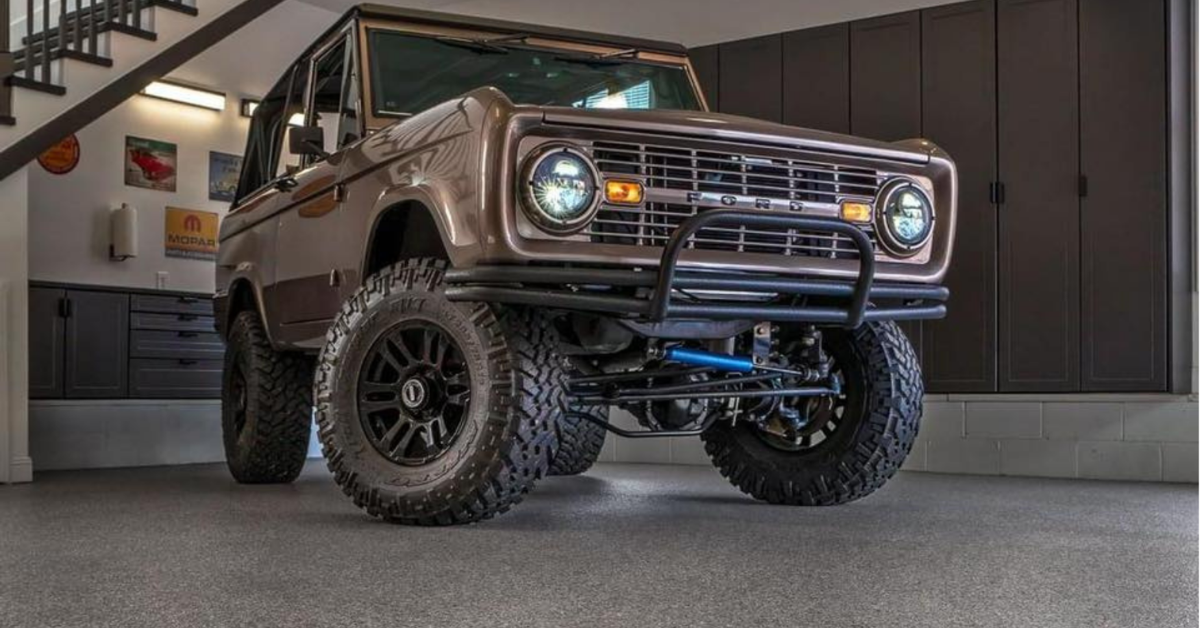
When homeowners upgrade a garage, two options come up again and again: a traditional epoxy floor or a modern 100% polyaspartic system like Floor Shield.
Both aim to turn dusty concrete into a clean, attractive, easier-to-maintain surface. The real question is which one still looks good and performs well after years of hot tires, sunlight, and daily use.
Below, we compare Floor Shield vs epoxy with one focus in mind: long-term performance in real garages.
Floor Shield vs Epoxy Garage Floors Overview
Epoxy has been the default garage coating for decades. It can look great when it is new, but it comes with known weak spots: long cure times, sensitivity to hot tire pickup, and yellowing when exposed to sunlight.
Floor Shield uses a different chemistry. It is a 100% polyaspartic concrete coating system designed specifically for high-use residential and commercial floors. Floor Shield emphasizes:
-
Fast installation with same-day return to service
-
UV stable, non-yellowing color
-
Up to four times the durability of epoxy flooring
From a homeowner’s point of view, that combination directly affects how long the floor looks new and how often you have to think about redoing it.
What Is Floor Shield Polyaspartic Garage Floor Coating
Floor Shield is a professionally installed, 100% polyaspartic concrete coating system. It is not paint and not epoxy. It is a high-performance technology built for demanding environments like garages, patios, and commercial floors.
Key characteristics of Floor Shield:
-
100% polyaspartic chemistry
-
Advanced system known for excellent adhesion, flexibility, and abrasion resistance.
-
-
Fast installation and cure
-
High durability
-
Floor Shield literature highlights polyaspartic coatings as up to four times more durable than epoxy flooring, with a tough, pore-free finish that resists chipping and wear.
-
-
UV stable, non-yellowing
-
Floor Shield’s polyaspartic systems are formulated to resist fading and yellowing from sunlight and UV lighting, making them suitable for garages with windows, open doors, or outdoor areas.
-
A standard Floor Shield garage floor typically includes surface prep, a polyaspartic base, decorative flakes for texture and design, and a clear polyaspartic topcoat that locks everything in.
What Is an Epoxy Garage Floor Coating for Garages
Epoxy garage floors are usually based on a two-part epoxy resin that is mixed and rolled or squeegeed over prepared concrete. Epoxy is thicker than paint and can provide a hard, glossy surface.
However, common epoxy systems used in garages have some well-documented limitations:
-
Long cure times
-
Many epoxy systems require 24–72 hours or more to cure before normal use. Walking or driving on them too early can permanently reduce durability.
-
-
UV sensitivity
-
Epoxy coatings can yellow and degrade when exposed to UV light from windows or open garage doors.
-
-
Hot tire pickup
-
Shorter typical service life
-
Installer guides and FAQs frequently cite 3–5 years as a reasonable life expectancy for many epoxy garage floors before peeling, yellowing, or wear becomes noticeable.
-
Epoxy can still be a step up from bare concrete, but its weaknesses line up exactly with what most homeowners want to avoid: downtime, yellowing, and early failure under hot tires.
Why Garage Floor Lifespan Matters for Homeowners
A garage floor coating is not just about looks on day one. It is about how long the floor:
-
Keeps its color without yellowing or chalking
-
Resists chips, scratches, and stains from real daily use
-
Stands up to hot tires, road salt, and chemical drips
-
Stays bonded to the concrete without peeling
Every time a floor fails early, there are costs beyond the coating itself:
-
Surface prep and grinding to remove failed material
-
New material and labor for another system
-
Lost use of the garage during multiple days of cure time
-
Frustration when a “lifetime” floor needs help after only a few seasons
Floor Shield’s 100% polyaspartic approach is designed to stretch that usable life as far as possible, backed by a 15-year warranty and UV-stable chemistry.
Durability Factors Floor Shield vs Epoxy in Real Garages
To understand which floor lasts longer, it helps to break durability into separate pieces: adhesion, impact and abrasion resistance, chemical resistance, and resistance to hot tires.
Adhesion and Flexibility
Polyaspartic coatings like Floor Shield are engineered for strong adhesion and flexibility. They bond tightly to properly prepared concrete and can move slightly with temperature changes without becoming brittle.
Epoxy is hard but not very flexible. Over time, small movements in the slab or impacts can lead to hairline cracks or chips in the coating, especially where the concrete expands and contracts.
Hot Tire Pickup
Hot tire pickup is one of the most common failure points for epoxy garage floors. As tires heat up, they can soften epoxy and pull it away from the slab, leaving bare spots where the coating used to be.
Floor Shield’s rigorous third-party testing proves that its 100% polyaspartic coatings resist hot tire pickup thanks to higher heat resistance and tougher adhesion, keeping the coating intact when vehicles roll in and out.
When you combine these factors, you get a clear pattern: in the specific areas where garage floors usually fail, Floor Shield’s polyaspartic technology is built to hold up better than typical epoxy systems.
UV Sunlight Yellowing and Fading Floor Shield vs Epoxy
Many garages are not fully dark spaces. Sunlight leaks around doors, windows, and other openings, and some homeowners leave doors open for long stretches. That light can be a big problem for epoxy.
How Epoxy Handles Sunlight
Epoxy is not UV stable. Exposure to UV rays from direct sunlight or even strong indirect light can cause:
-
Yellowing or ambering of clear and colored epoxy
-
Chalkiness and loss of gloss over time
If part of your garage gets regular sun, an epoxy floor can age unevenly, even if the coating is still bonded to the slab.
How Floor Shield Handles Sunlight
Floor Shield is formulated as a UV-stable, 100% polyaspartic coating. The system is:
-
UV resistant, built for harsh sun exposure without yellowing or chalking
-
Designed to maintain color vibrancy even under sunlight or strong indoor lighting
-
Suitable not only for garages but also outdoor slabs like patios and pool decks
In simple terms, Floor Shield is engineered to handle the very UV conditions that cause traditional epoxy floors to lose their original look.
How to Choose Between Floor Shield and Epoxy for Your Garage
Both coatings can upgrade a plain concrete garage, but they are not equal in long-term performance. To decide what fits your situation, consider a few key questions.
How Long Do You Want the Floor to Last
If you plan to stay in your home for many years and do not want to revisit your garage floor every few seasons, a 100% polyaspartic system with a long warranty offers a clearer path to low-stress ownership than an epoxy floor with a shorter expected life.
How Much Sunlight Hits Your Garage Floor
If your garage gets regular sunlight through doors or windows, a UV-stable system like Floor Shield is a better fit than epoxy, which is prone to yellowing in those conditions.
How Soon Do You Need to Use the Garage Again
Floor Shield’s polyaspartic coatings can be installed and returned to service in hours, not days, minimizing downtime. Epoxy systems typically require significantly longer cure times, and using them early can cut durability.
How Hard Will You Use the Space
For garages that see:
-
Daily vehicle traffic
-
Heavy tools, jacks, and equipment
-
Road salt, oils, and chemicals
Polyaspartic’s higher abrasion and chemical resistance will typically hold up better over time than standard epoxy.
If your goal is a long-lasting, low-maintenance floor that stands up to real life, Floor Shield’s 100% polyaspartic system is usually the more future-proof choice.
Which Garage Floor Coating Lasts Longer
When you look at real durability factors rather than just day-one appearance, the picture is clear:
-
Epoxy can look sharp when it is new, but it is more vulnerable to UV yellowing, hot tire pickup, and early wear, especially in active, sunlit garages.
-
Floor Shield’s 100% polyaspartic system is engineered for long-term performance, with fast cure times, higher durability, UV stability, and a 15-year residential warranty that reflects those expectations.
For most homeowners who want a garage floor that keeps its color, resists damage, and stays bonded to the slab year after year, Floor Shield is built to outlast traditional epoxy in the place it matters most: your own garage.
Topics: